SAFETY FIRST We're taking extra measures to ensure your children are safe in our nursery. Learn More

School Ready
Guide for our Parents
This page is designed to support parents and carers as they take an active role in their child’s journey towards becoming school ready at Little Learners. We know that children learn best when families and educators work together, sharing ideas, encouragement, and a consistent approach to learning and development. Alongside the experiences children enjoy during our sessions, this space will provide practical guidance to help you continue that learning at home in simple, meaningful ways.
Here you will find information about the key skills that help children feel confident when starting school, including communication and language, independence, social skills, early literacy and numeracy, emotional well-being, and positive routines. We will share easy activities, play ideas, and everyday strategies that fit naturally into family life — whether that’s building confidence through turn-taking games, encouraging self-care skills like dressing and tidying, or supporting curiosity through stories and conversations.
Our aim is not to create pressure, but to empower families with reassurance, realistic expectations, and supportive tools. Every child develops at their own pace, and school readiness looks different for everyone. By working together and celebrating small steps, we can help children build resilience, enthusiasm for learning, and the confidence they need to take their next big step into school feeling happy, secure, and ready to thrive.

Talking & Listening
-
Read together daily, even for a few minutes.
-
Ask open-ended questions like “What do you think will happen next?”
-
Sing nursery rhymes and action songs to build listening, memory, and rhythm.
-
Let your child retell favourite stories in their own words.
-
Celebrate effort, not just perfect speech.

Independence
-
Practise putting on coats, shoes, and simple clothing.
-
Let children try using the toilet, washing hands, and blowing their nose with gentle support
-
Offer encouragement rather than doing everything for them.
-
Celebrate small achievements to help children feel proud of what they can do.

Early Maths
-
Count toys as you tidy up or steps as you walk.
-
Use fingers, claps, or jumps to help children connect numbers to actions.
-
Talk about “more,” “less,” “big,” “small,” “full,” and “empty” during meals or play.
-
Let children help with cooking by pouring, measuring, and comparing amounts.
-
Follow your child’s interests — maths is everywhere in play.

Early Writing
-
Offer crayons, pencils, chalk, paint, or even water and brushes outside.
-
Let children draw freely — scribbles and pictures are important early steps.
-
Play with playdough, threading beads, or using tweezers to pick up small objects.
-
Try activities like cutting with child-safe scissors or peeling stickers.
-
Sing number rhymes to build memory and rhythm.

Confidence
-
Model positive language: “I can try again.”
-
Help children talk about their feelings and achievements.
-
Encourage them to make simple choices to feel more in control.
-
Spend quality time together talking and playing.
-
Listen carefully to your child’s thoughts and ideas.
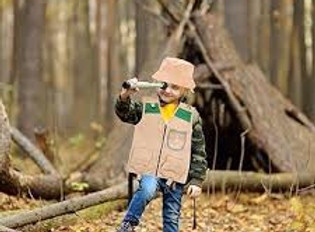
Outdoor Explorer
-
Collect leaves, sticks, stones, or flowers and talk about colours and textures.
-
Look for insects, birds, or changing seasons
-
Ask open questions like, “What do you think will happen if…?”
-
Allow space for imaginative play using natural materials.

“Every child is a superhero in disguise — their kindness is their power and their imagination is their cape.”